How To Treat Your Artists Well So They'll Come Back
 J9 Russell
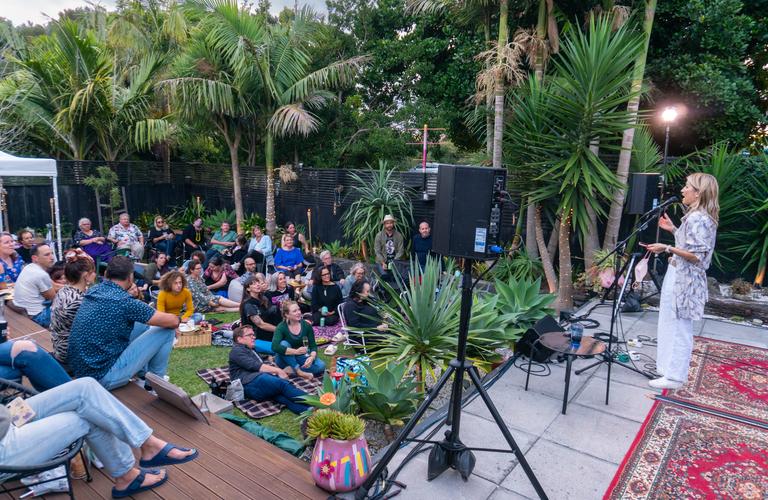
Over the years J9 Russell’s seen how much the small stuff matters. Clear information. Decent communication. Being paid properly. Having somewhere to sit, eat, breathe, loosen up and get ready. Knowing where the hell you’re supposed to park. None of this sounds particularly revolutionary, and yet you may be surprised at what gets forgotten or simply isn’t considered.
This guide comes from those years of experience, plus a lot of conversations with artists about what makes a gig easy, what makes it unnecessarily stressful, and what people booking creatives could be doing better.
The basic premise is simple: artists are professionals and they’re human.
Treat them fairly, communicate clearly, respect their time and boundaries, and make it as easy as possible for them to do the thing you booked them to do brilliantly — and they’ll wanna come back and do it again one day.
PAYMENT
Pay them properly. Pay them on time. Negotiate, don’t ghost.
If you’ve asked an artist to quote for a corporate gig and they come back with a fee that’s outside your budget, this is your chance to negotiate. (Also please reply – ghosting isn’t cool.)
More often than not, artists have different band configurations they can work with. Fewer band members often require a lower fee. Would an acoustic set work for your event? A duo instead of a full band? If you genuinely want to make it work, negotiate.
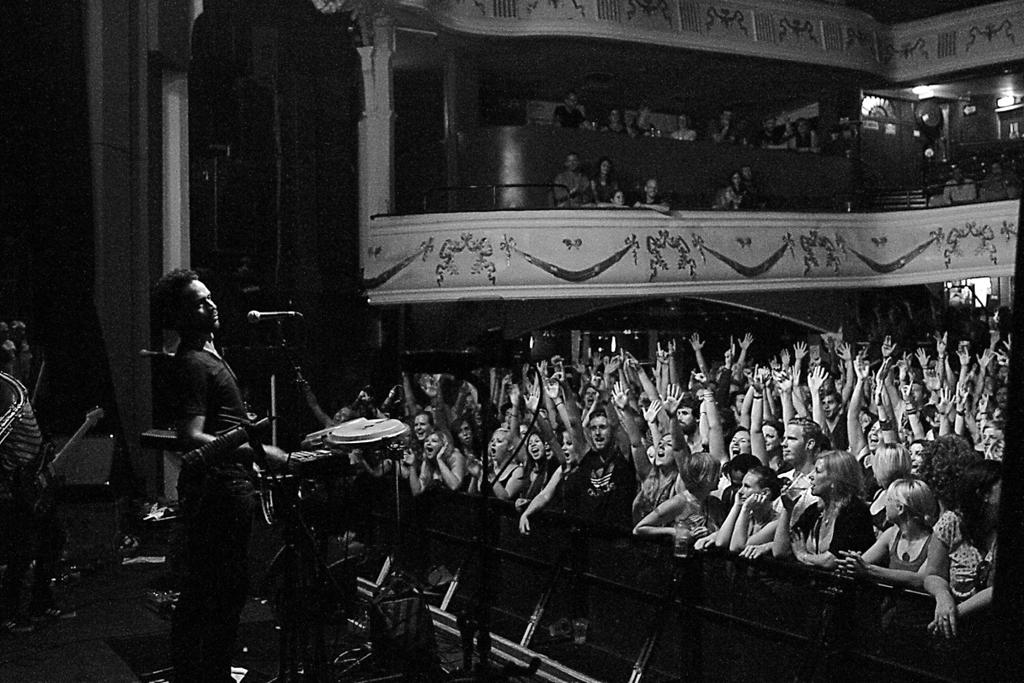
Also, this is probably incredibly obvious but very misunderstood: the fee you pay the artist does not just go straight into the singer’s pocket. Oftentimes session musicians are required for live performances, a tour manager organising everything, booking agents get their fee regardless, a manager gets their percentage, equipment hire, travel, petrol, rehearsal time often requires hiring a sound-proof space, and all the other boring-but-necessary things required to get people onto a stage. If the quote seems high, there are reasons. Always.
(Side quest: If the quote seems low, and you can afford it, why not add 10%? Just putting it out there. Creatives aren’t paid well – straight facts.)
Once you’ve agreed on the fee, pay them on time and perhaps offer to secure their performance with a deposit.
Also remember, artists are individuals, or groups of individuals, each with their own rent to pay, whānau to feed, bills to cover, cars to WOF and instruments to buy. They are very definitely NOT giant corporations with endless cash reserves who can happily wait until the 20th of the following month to be paid. So pay them swiftly.
I realise this may not always be possible inside organisations with rigid finance systems and payment cycles. But if there is any way to pay an artist sooner, if not immediately after the gig, why not discuss it with your financial team ahead of time and see what can be done?
PREPARATION
Book correctly. Give them the brief. Details matter to creatives too.
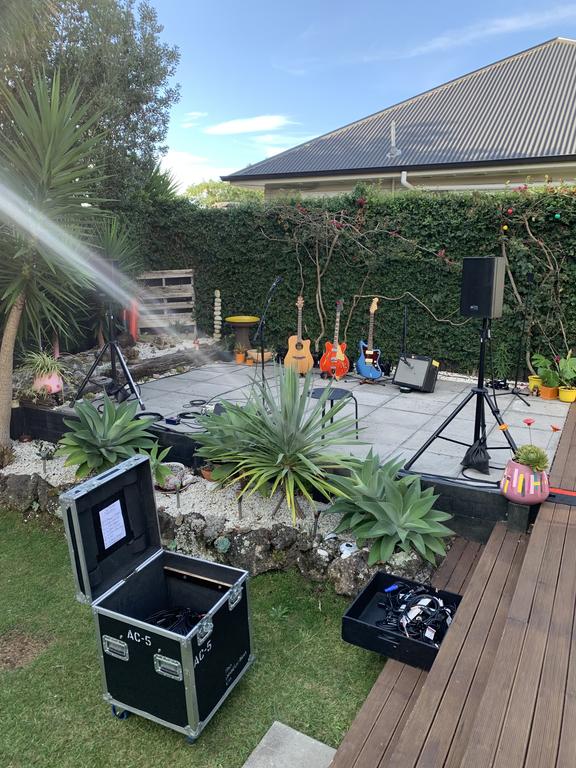
Do you require a recognisable act such as Tiki Taane or Tami Neilson? Or is your event more suited to a “faceless” covers band? Is it a party where the band’s job is to get people to dance? Will they largely be ignored as people eat? How many people will they be performing to?
Once you’ve decided the who, give them as much information as you can, preferably in the very first email.
All timings including load-in and soundcheck, stage time, set length as agreed, access, catering times, stage plot… and the list goes on. The more info you have, the easier the decision for the artist.
Bands often have both a technical and a hospitality rider. Get the Tech Rider in advance for your AV team so they know what is required of them. Hospitality riders will give you dietaries. More on catering later!
If you’ve booked an original artist, please don’t assume you can curate their setlist. Yes absolutely ask in advance if they can include a particular song you love of theirs, but let them decide how it works and don’t be offended if they politely decline. They know their material and what makes a good show. Let them do the job you booked them to do.
And please don’t spring song requests on them on the night. You didn’t hire a human jukebox.
On timings, even if it’s a short performance, it can still take up most of the artist’s day. Packing the van, travel, load-in, setting up, soundcheck then prep and waiting around for stage time all count as work. It might look like they’re waiting around — guess what, sometimes there’s waiting around! It’s still work.
So please plan and feed them accordingly. If load-in is at midday and they’re not performing until the evening, that’s lunch and dinner. They’re not going to perform brilliantly after eight hours backstage fuelled by half a muesli bar and a warm can of Coke Zero.
Nominate one person from your event team to be the tour manager’s point of contact — and make sure that person actually has, or can swiftly get, the answers. More than one source of truth can confuse timings and cause issues.
One nominated contact keeps things simple, clear and calm, and who doesn’t love calm on event days!
PARKING
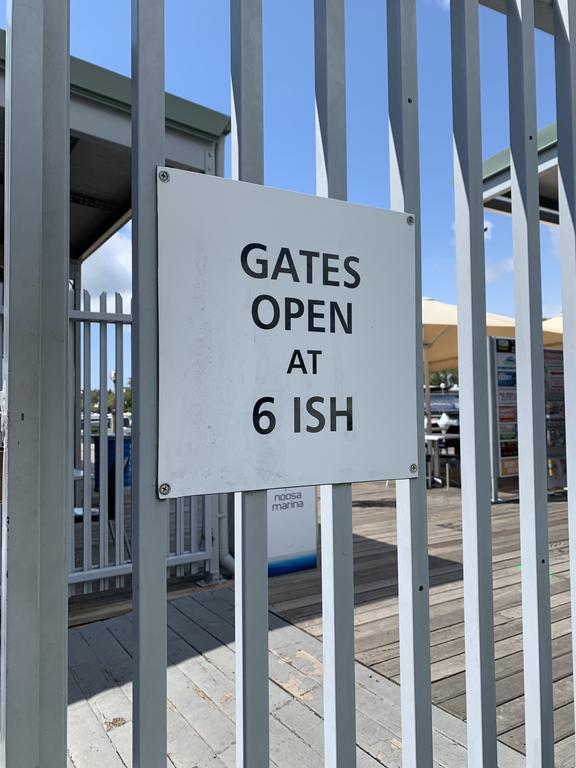
For the love of the Universe please provide them with a carpark at the venue. (And clear instructions on how to access it.)
PARITY
Book more women.
If your booking decision comes down to a male-fronted band or a femme-fronted band, my advice is to book the wāhine.
The gender gap in the music industry is more chasm-like and this suggestion isn’t about doing women a favour. Opportunity matters and the talent is very much there. Every corporate or headline gig, every festival slot, every paid performance contributes to the artist’s ability to earn an income, reach new audiences and fund their creativity. So, if an opportunity arises to amplify women – amplify women.
In a recent APRA AMCOS survey 70.1% of women said they had experienced bias, disadvantage or discrimination because of their gender – seven times the rate reported by men.
And yet, women are selling out festivals around the world (Daisy Chain Fields) including here in Aotearoa (Laneway 2026) and we have a plethora of femme artists available nationwide to engage for events.
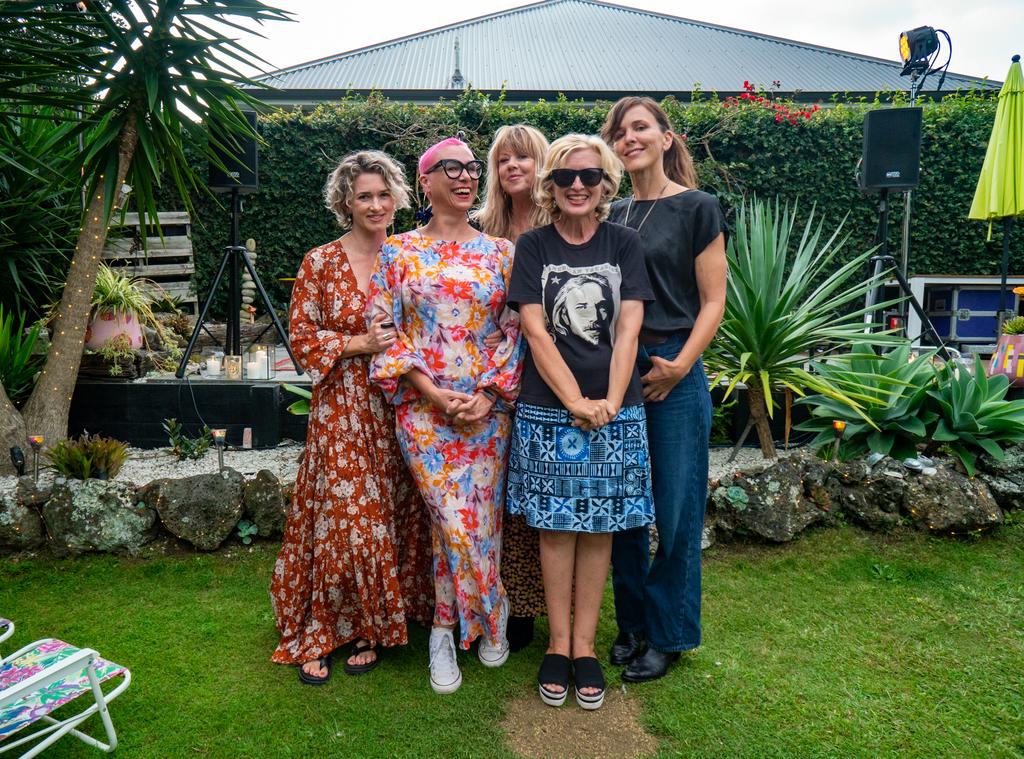
Opportunity compounds. So please, strongly consider giving these opportunities to women first. Arguably, they put on a better show anyway.*
*J9’s personal and professional opinion.
PRIVACY
Leave them alone. Respect dressing rooms, toilets and boundaries.
Artists are people doing a job, which means they’re not automatically available for every introduction, photo or conversation.
If the artist is happy to meet people, have a yarn or pose for photos, yay! But let them come to you. Don’t “just quickly” do an intro or selfie etc… Just quicklies soon add up to 30 mins of people pleasing. Try to remember they were booked to perform. If you want a meet-and-greet or access beyond the performance, discuss it in advance and include that time in the remuneration offer and run sheet.
Pre-show time can be sacred. Artists might be warming up, changing, calming nerves, getting into the zone or simply trying to have five minutes where nobody is asking them for anything. Give them that space.
If it’s possible at the venue, give artists access to their own toilet. Not only for privacy, but because toilets are surprisingly popular places for vocal warm-ups – good acoustics, innit.
PERSPECTIVE
They have day jobs. They have bills. Say thanks. Respect the crew.
The music industry in Aotearoa NZ (if not the world) isn’t known for its large amounts of coin. It’s highly likely the artists you are engaging with to perform at your event all have day jobs. Oftentimes they’re taking time out from that day job (and income) to perform at your show.
The artist is also not just the person/people on stage. Their tour manager, guitar tech, drum tech, sound engineer and whoever else has come with them are there for extremely important reasons.
They might be dressed head-to-toe in black, covered in tattoos, look like they haven’t slept and are surviving on coffee alone because they probably are, but they are professionals doing their job.
Don’t treat crew like an afterthought, or like they somehow rank below the artist. Feed them. In fact, feed them first!
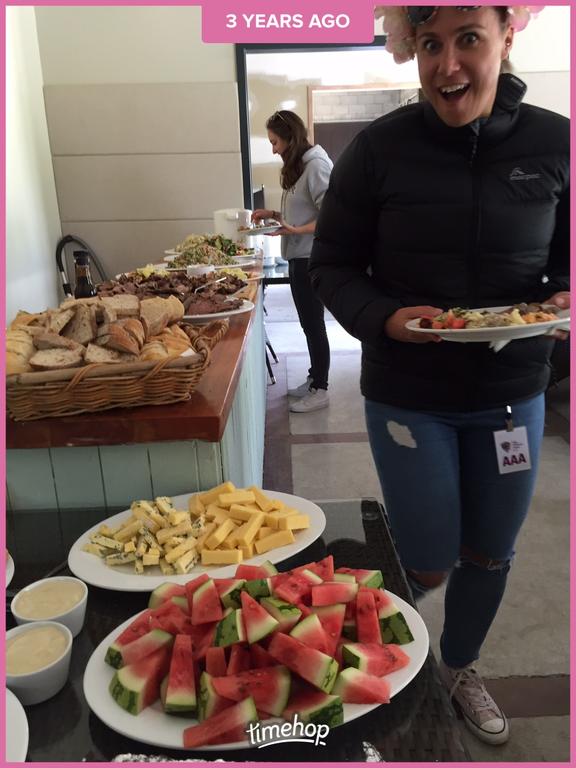
Crew catering is very important. They’re the first people onsite, definitely the last to leave, and they’re doing the (literal) heavy lifting while everyone else is heading into glam. Making sure crew have eaten, have plenty of access to water and can do their job properly is a very important part of looking after the artist.
I think almost every human thinks their job is a thankless one, and artists are no different. After your show, send them thanks for their time, mahi and wairua, and support them by recommending them to others.
They would have poured their all into their performance at your event, and we’ve all experienced a little thanks going a long way.
PROTECTION
Hydration, food, weather, code of conduct.
Aotearoa NZ’s music industry is starting to catch up to the rest of the world with many organisations in our industry implementing codes of conduct.
If you don’t already have a code of conduct around your events, which you should, an excellent place to start is the SOUNDCHECK AOTEAROA Code of Conduct.
Hydration. You might be surprised how easy it is to forget to provide water. More often than not, room temperature water is best for artists’ vocal cords. If it’s easy to have cold and room temp water available, please do!
As event professionals, I’m sure you’re very aware that food is one of the most important parts of an event for guests – it’s no different for the artists and crew!
As above, feed the crew first and make sure there are plenty of hydration stations around.
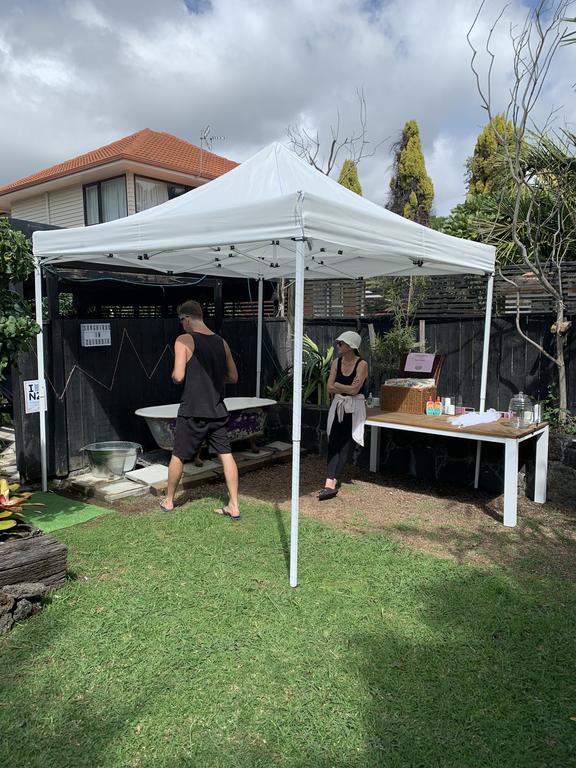
If it’s an outdoor gig, plan for the weather – all of it. Summer sun on an uncovered stage for a few hours is brutal, and rain plus electrics is a HARD NO from everyone. Make sure there’s proper cover for the whole band, crew and gear and not a token umbrella. (More on that from Fables below…)
TO SUMMARISE
Payment — deposits, fair fees, negotiate, pay promptly
Preparation — give them the brief, timings, backline, PA, access details, point person contact details in advance
Parking — literally just give them a f*cking carpark
Parity — book more women, think about who gets the opportunity
Privacy — dressing rooms, toilets, boundaries, no surprise meet-and-greets
Perspective — remember the artist and crew are all people with day jobs, bills, whānau, nerves, and lives outside your event
Protection — code of conduct, safety, weather cover, hydration, proper working conditions.
SOME TIPS FROM THE CREATIVES THEMSELVES
“If I had to pick one thing, it would be ensuring all core logistical details (load-in times, parking, and access) are communicated well in advance. Figuring out parking, access, etc., adds unnecessary stress to a show!” – Hariet Ellis – DICK MOVE
BUY DICK MOVE’S LUME HERE
“Probably the main thing for me is having ALL the details in the very first email. At the very least: configuration, timings, and fee. Even better would be what backline is provided, whether or not there’s a house soundie, load-in bay / parking situation. All of that good stuff to make it easy to say YES this is worth my blood sweat and tears!!” – HINA
BUY HINA’S DESCENDING DREAMS LUME HERE
“If it’s a summer gig outside make sure there is shade and that the shade covers the whole band. I’ve had to share one outdoor umbrella between 4 of us before and we all had to take turns taking refuge from the sun! Apart from our drummer who had no choice but to be hot!!” – FABLES
BUY FABLES’ CHANGE IS A SLOW MOVING BEAST LUME HERE
“Just say what yr budget is so we don’t over do it and miss an opportunity to play? Or at least we know that there is a budget so we can offer more? I missed out on a big show because I was pitching for a whole band but I would have and could have done a set with a DJ for less y’know?” – GENEVA AM
BUY GENEVA’S PIKI PIKI LUME HERE
“Some of the worst things are late changes to the deal, venue, line-up, tech specs or promo requirements; sound teams not reading the tech rider; impossible schedules; and basic hospitality being forgotten. It’s not about rockstar treatment — just make sure the band and crew have what they need to do their jobs properly. Most artists are doing their best to stay calm, go with the flow and make the show awesome for everyone.” – THE BLACK SEEDS

J9 Russell
J9 (Janine) Russell has spent more than 20 years working across almost every corner of the music industry in Aotearoa New Zealand and abroad — at major record labels, on large and tiny tours, in publicity, artist liaison, as a tour manager, merch b*tch, door b*tch and promoter, including creating and producing the Songbirds in Suburbia series.