The Good Gig Guide
 Russell Brown
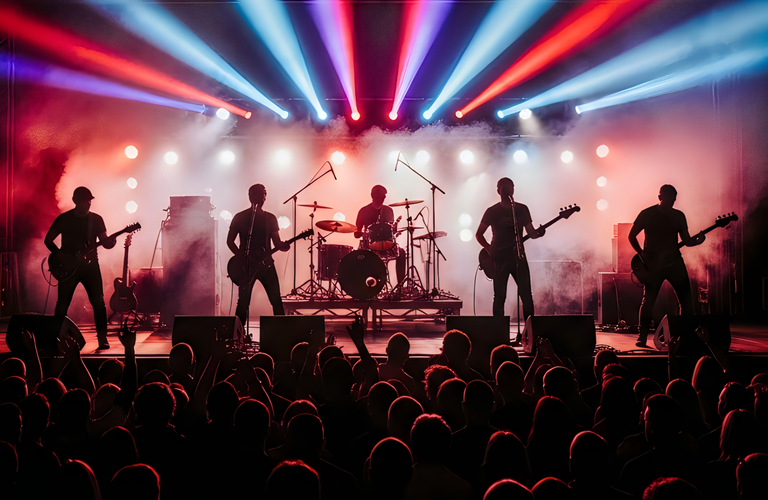
A good gig doesn’t happen by accident. For event organisers, it comes down to a string of decisions made well before doors open – promotion, venue, sound, security, the bar – and a few unspoken rules once the room fills up. This guide breaks down what actually makes a gig work, from someone who has spent decades on the New Zealand gig circuit, mostly as a punter.
What makes a good gig?
There are many answers to that question – and you may well have had the best night of your life at a show that didn't measure up in one or more of the following ways. But, from someone who has been to more gigs than he can remember – and still finds live music fulfilling as he edges towards his Gold Card, here are some of the ingredients.
Before the big night
Before you get started on your gig, there are some questions you’ll have to answer to yourself - Who's your prospective audience? Where do people you think should come hang out? You might get most of the job done with word of mouth and personal posts on social media, but it's still worth getting your show on the local gig guides. (Just be aware that the people running those guides may want you to spend a little advertising money with them before they list you.)
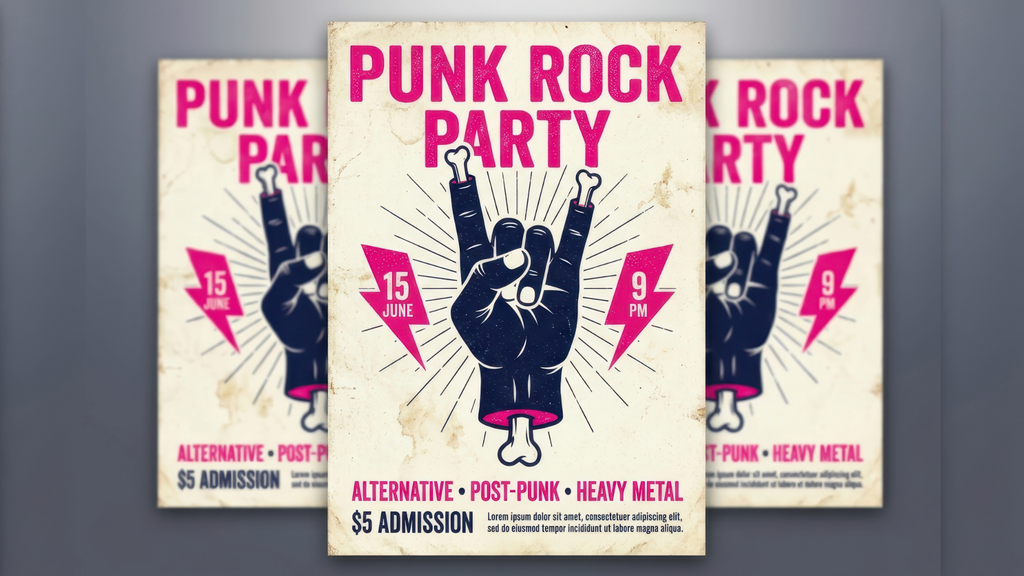
Time was, everyone used to print up a few posters and slap them up around town (which is its own kind of thrill), but the bill postering business is licensed and structured now – and often too costly for small shows. It can still be worth running off some A4s to place in the windows of sympathetic public-facing businesses, but having a decent digital poster is important.
People who go to gigs are used to ticketing systems (a platform like Lil Regie makes it easy to handle pre-sales and early-bird pricing) and their accompanying apps, but the reality is that they don't always use them, so you may need to be prepared to take money on the door. Everyone understands that the price will be higher at the door than in advance, and early-bird pricing – sometimes in two or three stages – is common for more expensive shows.
You may also want to get a trusted, experienced person to do the door job (venues can recommend them). Depending on the venue, there may be punters who turn up insisting they're on the guest list when they're not, or complaining about the price, and there's a particular sort of diplomacy involved in handling them.

Also, if you want older people in particular to come, don't start at 10pm on a week night. Let people know when the actual gig starts. The practice of keeping set times a mystery needs to die.
The Venue
No, your gig doesn't have to be in a dedicated music venue – most of whom will charge a room fee depending on the night of the week – but they do have their advantages. For one, people are actually there to hear live music. There's nothing quite as cringe as firing up somewhere where half the crowd is having dinner or trying to watch the Warriors on the TV screens.
.png)
Bars don’t have to be big to host music – indeed, small, local bars can be the perfect place for a fledgling act or quieter music – the rise of jazz jams in small bars has been a welcome development in recent years. (A few of us encouraged the owners of our local to put in DJ turntables, which led to music in general being a key part of the bar’s identity.) You might want to just put out a koha box rather than fussing around trying to get money from a small crowd.
Plenty of great gigs take place outside regular venues, of course. "House shows", where someone opens up their own home as the venue, can be brilliant, but with a crowd bigger than 30 or 40, they might be hard to manage. The upside is that you'll probably only need a vocal PA.
The Sound System
It seems obvious, but it's easy to get wrong. Regular venues will have a house PA (a few even offer backline gear like amplifiers), but you'll need to bring your own sound engineer or hire the venue's. Do soundchecks.

Resist the urge to be as loud as possible, or at least make the guitarist turn down. There's nothing to spoil the vibe like the feeling of hearing damage on a Wednesday night. Some bands, of course, are meant to be loud, and loudness is subjective. Which is why experienced punters often pop some earplugs in their pocket, whether or not they actually use them.
Good music venues will also have some kind of room treatment. You might have the sweetest and loudest sound ever coming out of the speakers, but by the time it's refracted around a few hard surfaces, it will make people hate their lives, and probably you too.
Management and security
A good venue will treat performers well, even first-timers. That doesn't mean free drinks or carrying their gear, just treating them as human beings and giving a clear outline of mutual responsibilities. Management is also responsible for everyone in the room feeling safe and comfortable (see below on bars and toilets).
Not every gig will need professional security, but it makes a huge difference if it's someone who knows music crowds and understands chill. Being greeted nicely by the bouncer can make anyone's night.
The Music
We're not here to tell you what's good. Or even to be slick – some of the greatest gigs are the messiest. But – and this applies to support acts – it should be something like what people thought they were paying to listen to.
.png)
If the venue has the gear, it can be nice to ask a friend to DJ some music aligned with the performances between sets. Just not too loud.
The Bar
This is a tricky one, because all the evidence is that bar take is no longer a reliable source of income for music venues. Young people in particular aren't drinking as much as they used to (Auckland's Whammy complex calculated that the 1200 people who come through its rooms in a week buy an average 1.7 drinks per visit) and booze isn't really the focus for anyone going to a gig these days.
.png)
But most places will still want to run a bar, and there are ways to do that. Firstly, a good bar will stock a couple of good New Zealand beers (because having to choose between two crappy nightclub lagers is a buzzkill) and sort out a good house white and red they can sell at a reasonable price (a glass of wine that costs more than the cover charge is also a buzzkill).
And in the name of all that is holy, the bar should have a good non-alcoholic offering, including a craft zero beer and some grown-up beverages. There's really no need to offer cocktails that take five minutes to make – it's a gig.
Bar staff should also be ready to help out anyone who's feeling unsafe. That doesn't mean confronting a person who's a problem – that's security's job – but the bar can be a good place to have a quiet word.
The Toilets
Yes, everyone wants clean toilets, but stickers or a bit of graffiti are part of the charm of a rock 'n' roll bar, so don't sweat that. A urinal is efficient, but, really, no one minds unisex toilets and they solve a problem for people who aren't comfortable picking a gender. The toilet is also a good place to post your advisory signs for women who aren't feeling safe.
.png)
You
As in, you, the person who's going to a gig.
Be there for the music. If it turns out you don't much like the music, fine – but absolutely do not stand up the front and have loud conversations about property prices or whatever. You will go to Hell for that.
.png)
If the show is crowded and people are trying to get from one part of the room to another, let them. Rock 'n' roll crowds operate on an unspoken code: by all means, stand so there's not a traffic lane between you and your friend, but don't be antsy if someone needs to get past. We're all on our own journeys.
And for your own sake, spend $35 on a decent pair of earplugs (or, strictly speaking, attenuators) in case they're necessary. I can recommend those at pocomoto.co.nz, a business started by regular Auckland door person Silke Hartung after the umpteenth time someone asked her if there were any earplugs available. Don't bother with the foam rubber ones – they will just make everything sound more muffled.
I go to a lot of gigs where I'm the oldest one in the room, or nearly so. You just need to be comfortable in your own skin. Don’t get wasted and definitely don't be creepy. Smile and enjoy the scene.
Frequently asked questions
What should event organisers do to promote a gig?
Word of mouth and social media do most of the work, but it’s still worth getting the show onto local gig guides, even though some charge for listings. A decent digital poster matters more than printed ones, though a few A4s in supportive local businesses can still help. Always let people know the actual start time – keeping set times a mystery just puts people off.
Should a gig take cash at the door?
Yes. Even with ticketing apps available, not everyone buys in advance, so organisers should be ready to take money on the door. Door prices are usually higher than advance prices, and earlybird pricing in two or three stages is common for bigger shows.
What makes a good venue for a gig?
Dedicated music venues have the advantage of an audience that’s actually there to listen, plus a house PA and sometimes backline gear. House shows can work well for smaller crowds, generally under 30 to 40 people, and usually only need a vocal PA.
How loud should a gig be?
Loud enough to suit the music, not so loud it risks hearing damage. A proper soundcheck, an experienced sound engineer, and some room treatment to control reflections all help. Loudness is genre-dependent, which is why even experienced gig-goers carry earplugs just in case.
Does a gig need professional security?
Not every show needs it, but it helps to have someone who understands music crowds and knows how to keep things calm. Venue management should also make sure everyone in the room – performers included – feels safe and comfortable.
What should the bar offer at a gig?
A couple of decent New Zealand beers, a reasonably priced house red and white, and a proper non-alcoholic option such as a craft zero beer. Elaborate cocktails aren’t necessary – it’s a gig, not a cocktail bar.
What should someone bring to a gig?
A decent pair of earplugs, or attenuators, are worth the $35 for anyone concerned about hearing damage. Beyond that: be there for the music, let people move through the crowd, and be comfortable in your own skin.

Russell Brown
Russell Brown is a freelance journalist and occasional DJ who’s been in and around the local music scene for more than 40 years. He was deputy editor of Rip It Up magazine, wrote for Sounds, Select and Music Week in Britain, helped create the New Zealand music heritage site AudioCulture and now writes regularly about music and the people who make it for the NZ Listener. He still loves live music.